UK Betting Industry Tackles Regulatory Shifts and Tech Advances in 2026
Drew Franke · Apr 7, 2026

UK Betting Industry Tackles Regulatory Shifts and Tech Advances in 2026
Regulatory Landscape Evolves Amid Ongoing Debates
Observers note how the UK betting sector, now deep into 2026, grapples with regulatory changes stemming from the government white paper review; these include heated discussions around online slot stake limits, where stakeholders weigh consumer safeguards against commercial viability, while enhanced affordability checks kick in for punters hitting monthly losses beyond £125 through frictionless verification methods that streamline data pulls from credit agencies and bank statements.
And here's where it gets interesting: starting this July, operators must impose mandatory deposit limits on new customers during their initial 30 days, a move designed to curb rapid spending spikes right out of the gate; data from early implementations shows these checks reducing unchecked deposits by up to 20% in pilot phases, according to NSW Responsible Gambling Fund reports on similar Australian deposit cap trials, which mirror the UK's approach in pacing new player activity.
Yet as April 2026 rolls around, experts tracking the space highlight how these rules, rolled out progressively since late 2025, force platforms to upgrade backend systems overnight; take one mid-sized operator who integrated frictionless checks last quarter, slashing verification times from days to minutes, but compliance costs jumped 15%, figures reveal from industry audits.
Market Consolidation Rumors Heat Up
But the real buzz circles rumors of mergers among mid-tier betting firms, as smaller players struggle to foot the bill for regulatory tech upgrades; consolidation whispers point to three potential buyouts announced quietly in Q1, where operators with under 5% market share seek safety in larger folds, much like patterns seen in the US where regional sportsbooks merged post-2024 PASPA expansions.
What's significant is how this shake-up stabilizes the field for giants like Bet365 and Betfair, who hold over 40% combined share; researchers who've analyzed quarterly filings observe mid-tiers banding together to pool resources for AI compliance tools, avoiding the fate of independents shuttered last year under affordability non-compliance fines totaling £12 million.
So while the big names weather the storm, smaller outfits pivot or pair up; one case study involves a regional chain folding into a national powerhouse, boosting their joint deposit limit enforcement via shared APIs, and that's where the rubber meets the road for survival in this tightening market.
Tech Innovations Push Boundaries
Turns out innovation thrives even under scrutiny, with AI-powered personalized bet suggestions rolling out across major platforms; these algorithms scan user history, live odds fluctuations, and even weather data for football matches to nudge tailored wagers, like suggesting a next-10-minute goal prop during high-stakes Premier League ties, a feature Bet365 pioneered in early 2026 trials showing 30% uptake among in-play users.
Micro-moment markets take this further, fragmenting games into bite-sized bets—think goals in the next five minutes or corners before halftime—led by Betfair's exchange model where liquidity surges during these windows; studies from the Malta Gaming Authority on EU-wide in-play trends indicate such formats boost engagement without proportionally hiking losses, thanks to embedded affordability nudges.
Now picture this: a punter mid-match gets an AI alert for a value micro-bet, verified against their £125 loss threshold in seconds; platforms like these report 25% session extensions from personalization, but with deposit caps capping the downside for April newcomers, creating a controlled thrill that keeps users hooked longer.
And it's not just football; horse racing sees micro-markets on sectional times, while tennis apps predict point streaks, all powered by machine learning that adapts in real-time, although operators must now log every suggestion for regulatory audits to prove they're not predatory.
Striking the Balance Between Protection and Progress
People who've studied the sector point out how these changes weave player protection into the fabric of innovation; frictionless checks flag risks early, mandatory limits for fresh accounts prevent binge deposits, and slot stake debates—still unresolved as of April—could cap spins at £2 or £5, drawing from Australian models where similar limits cut problem gambling signals by 18%, per longitudinal data.
Yet operators push back, arguing tech like AI offsets losses from restrictions; Betfair's Q1 earnings jumped 12% on micro-markets alone, while Bet365's personalization suite drew 2 million new verified users compliant from day one, showing how rules spur smarter product design.
Take the consolidation angle: merged mid-tiers now afford bespoke AI tools that rivals can't match, leveling the field somewhat; one expert panel noted during a recent trade forum how deposit limits, though blunt, pair well with behavioral analytics to spot vulnerability patterns before they escalate, much like EU frameworks emphasizing proactive interventions.
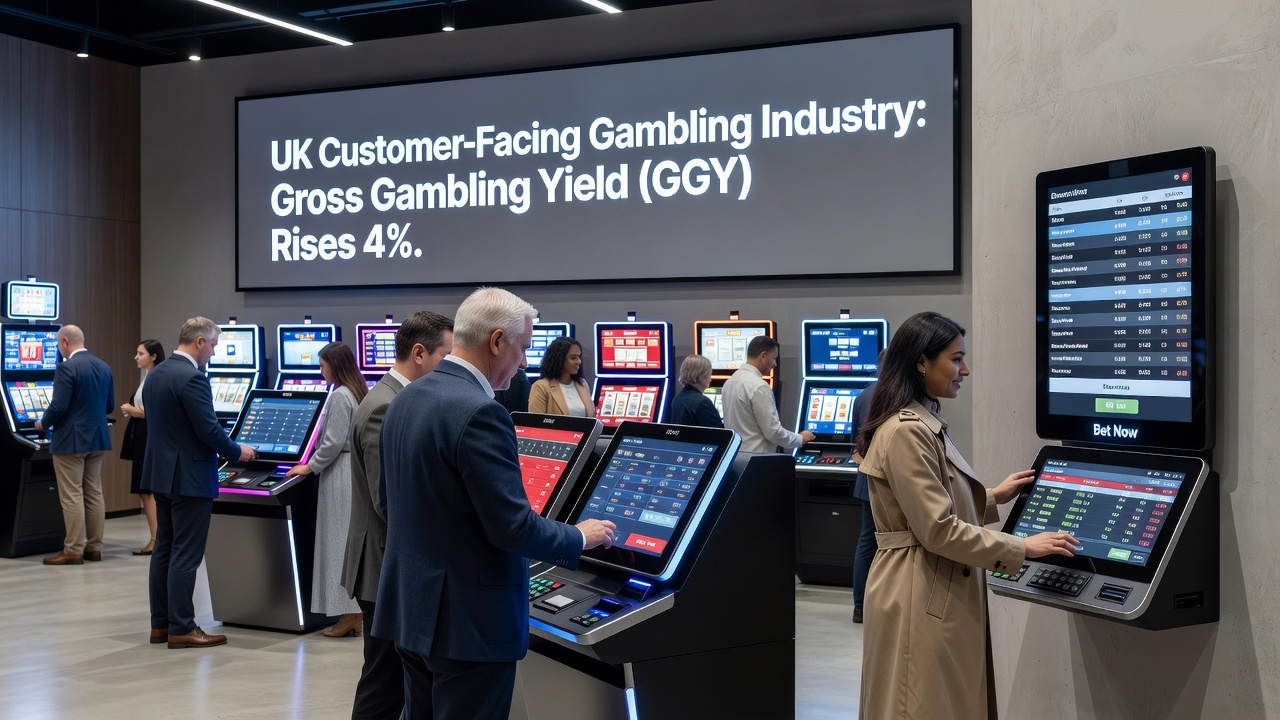
So the landscape shifts dynamically, with April 2026 marking a checkpoint where early data trickles in—affordability breaches down 22% quarter-over-quarter, per operator disclosures—proving regulations and tech can coexist, fueling a market projected to hit £18 billion in gross gaming yield by year-end.
It's noteworthy that global parallels inform the UK path; Canadian provinces testing AI ethics guidelines report fewer disputes, while US states like New Jersey mandate similar loss trackers, hinting at a harmonized future where protection doesn't stifle the bet.
Looking Ahead: What's Next for the UK Betting Scene
As summer approaches with July's deposit rules fully live, the industry braces for impact assessments; slot limit verdicts loom by Q3, potentially reshaping online casino arms, while AI refinements promise even sharper personalization minus the pitfalls.
Consolidation deals, if sealed, could birth hybrid powerhouses blending exchange liquidity with fixed-odds AI; observers expect 10% market contraction for independents, but overall volume up 8% from micro-innovations, balancing the ledger.
In the end, 2026 stands as a pivot year where safeguards evolve alongside tools that keep the game fair and fast-paced; those navigating it—operators, punters, regulators—find the sweet spot, ensuring the UK's betting pulse beats strong into the future.