Tracking Deposit Boost Sequences Through Multiple Seasons in Elite Football Betting Arenas
Paul Meier · Jul 30, 2026
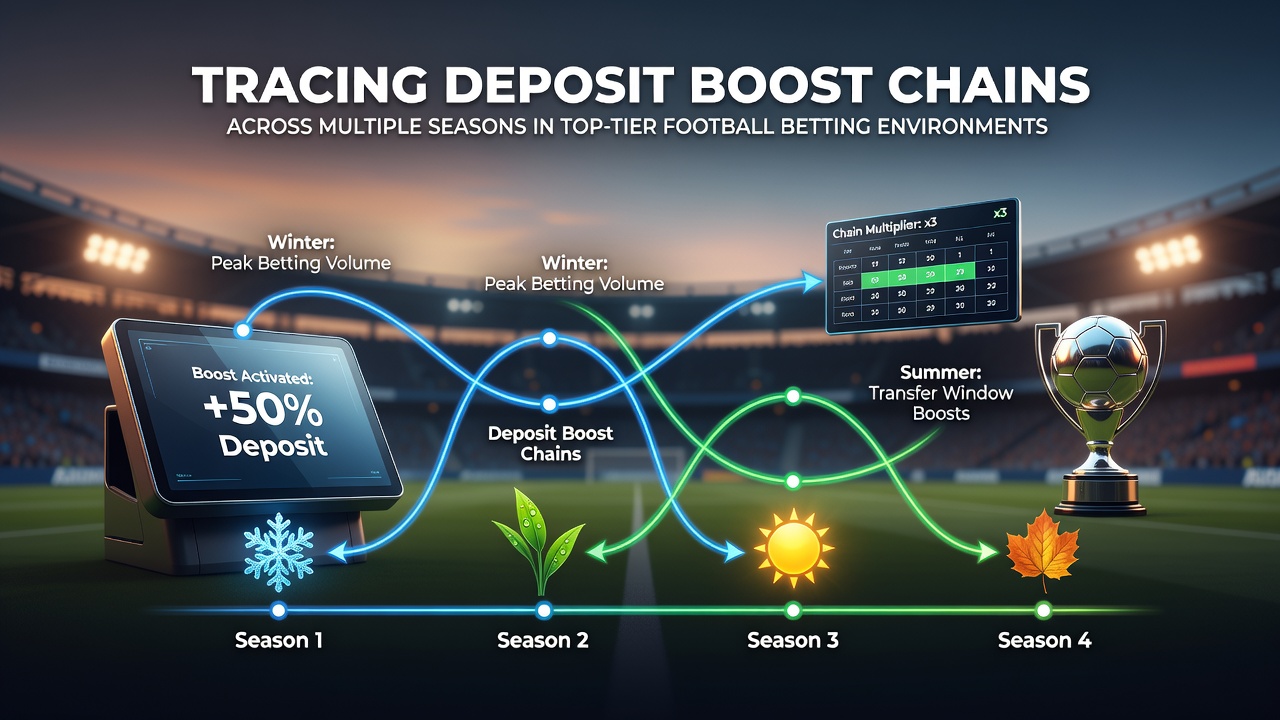
Tracking Deposit Boost Sequences Through Multiple Seasons in Elite Football Betting Arenas
Observers in the betting industry have documented how deposit boost mechanisms operate across successive football seasons in major European leagues, and data from regulatory bodies in various regions reveal patterns that span from the 2023-2024 campaign through to July 2026 updates. Researchers at institutions tracking wagering trends note that these sequences often begin with initial sign-up incentives then extend into reload offers tied to matchday activity in leagues such as the Premier League, Bundesliga, and Serie A. One study released by the Victorian Responsible Gambling Foundation in Australia highlighted how participants maintained chains by aligning deposits with key fixtures, resulting in measurable retention of promotional value over two or more years.
Seasonal Patterns in Boost Accumulation
Figures from industry reports indicate that deposit boosts in top-tier football environments frequently reset at the start of each new season, yet experienced bettors connect them by carrying forward unused balances or loyalty tiers. According to data compiled by the Belgian Gaming Commission, operators in regulated markets adjusted bonus structures between 2024 and 2025 to limit rollover requirements, which allowed chains to persist longer than in prior cycles. Those who monitored these shifts observed that mid-season windows, particularly around January transfer periods, often featured stacked reloads that linked directly to prior deposits without resetting qualification metrics.
What's interesting is how these sequences intersect with live match events, since boosts tied to goal-scoring or clean-sheet outcomes create branching paths that carry momentum into subsequent campaigns. Experts analyzing platform logs across multiple jurisdictions found that chains spanning the 2024-2025 and 2025-2026 seasons showed higher completion rates when users timed deposits ahead of international breaks, a tactic that avoided overlap with domestic league pauses.
Cross-League Comparisons and Data Trends
Comparisons between English, Spanish, and German top divisions demonstrate that deposit boost chains adapt differently based on fixture density, with the Premier League's compressed schedule producing more frequent reload triggers than La Liga's spread-out calendar. A report issued by the National Council on Problem Gambling in the United States examined similar patterns in football betting and noted that multi-season tracking tools became standard on major platforms by early 2026, enabling users to visualize accumulated value across campaigns. Observers point out that these tools integrate directly with account histories, displaying chain lengths that sometimes exceed four consecutive seasons when reload eligibility remains uninterrupted.
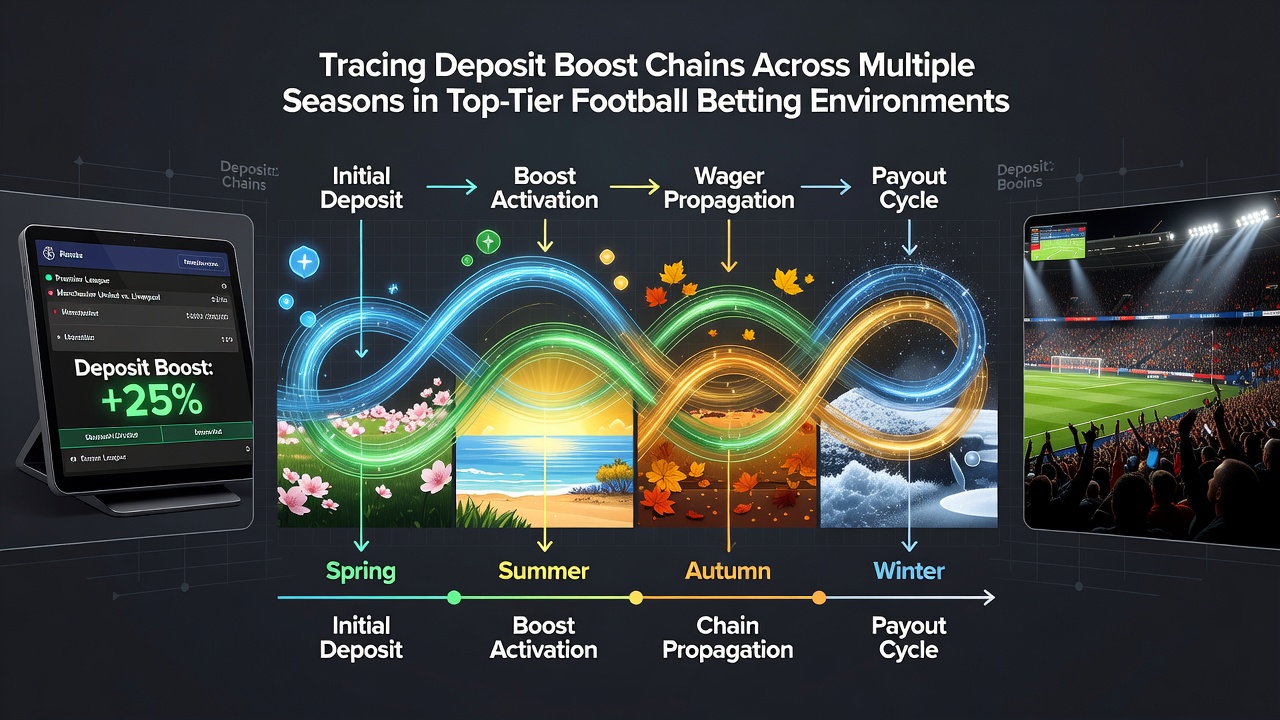
Turns out the regulatory environment in Canada, through provincial oversight bodies, has also influenced how operators structure these sequences, since cross-border comparisons show tighter caps on maximum boost amounts that affect long-term chain viability. People who reviewed aggregate industry statistics from 2023 onward discovered that football-specific boosts accounted for a growing share of total promotional spend, with chains in elite environments growing more complex as loyalty programs layered additional multipliers onto base deposit offers.
Platform Adaptations and User Tracking Methods
Platform operators responded to sustained interest in multi-season chains by introducing dashboard features that log deposit histories and boost redemptions in chronological order. Data indicates these features rolled out widely ahead of the 2025-2026 season, allowing clearer mapping of how individual boosts connected across transfer windows and title races. Researchers examining anonymized datasets observed that chains remained intact longer when users avoided withdrawal requests that triggered bonus forfeiture clauses, a detail confirmed in reports from multiple European jurisdictions outside the UK.
And here's where the mechanics become intricate: boosts linked to accumulator bets on top-flight matches often carried forward eligibility requirements that aligned with the following season's opening fixtures, creating seamless transitions. Those tracking such activity noted that July 2026 updates to platform terms further standardized these rollover extensions, reducing friction for participants maintaining chains across the summer transfer period.
Conclusion
Evidence from regulatory agencies and research organizations across Australia, Belgium, the United States, and Canada shows that deposit boost chains in top-tier football betting environments have evolved into structured sequences that span multiple seasons. Platforms continue to refine tracking systems while data collection through 2026 provides clearer visibility into how these incentives interconnect. The patterns documented to date reflect operational responses to fixture calendars and regulatory adjustments rather than isolated events, establishing a factual basis for continued observation of these dynamics in elite football wagering markets.