Tennis Exchange Credit Sequencing: Layering Signup Offers for Multi-Platform Edge Building
Paul Meier · Aug 1, 2026
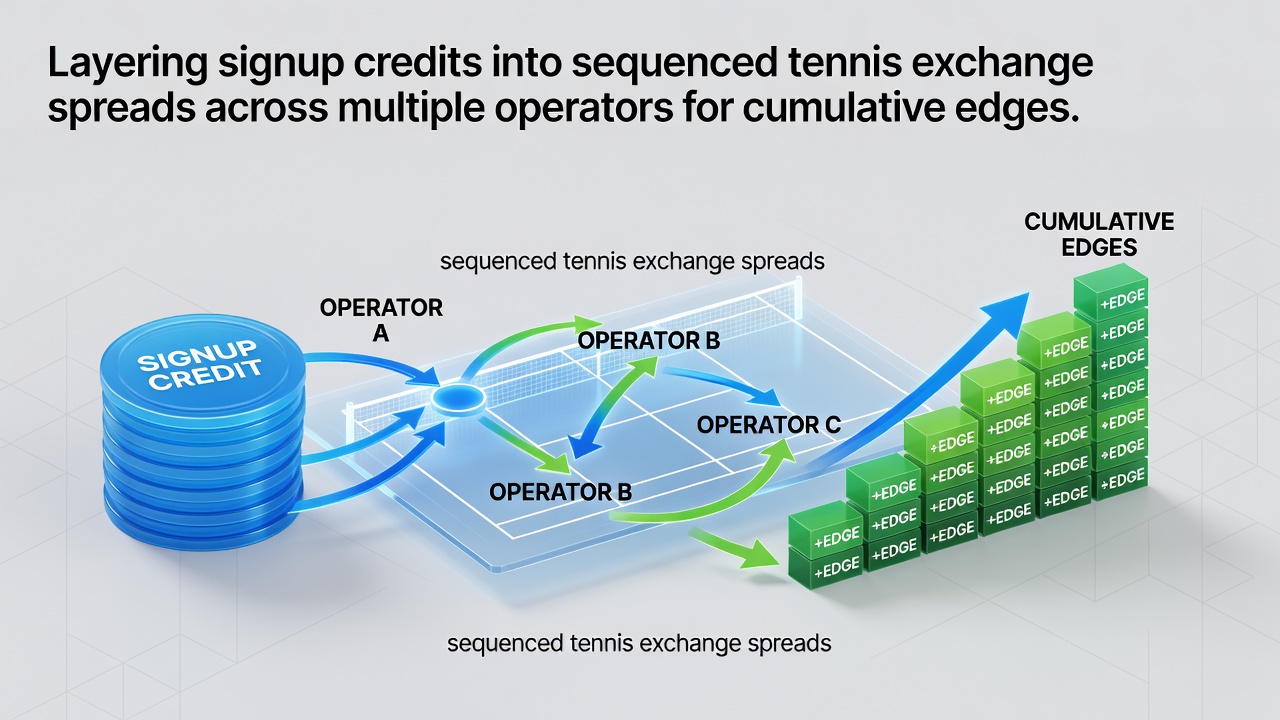
Tennis Exchange Credit Sequencing: Layering Signup Offers for Multi-Platform Edge Building
Data from multiple betting exchange platforms indicates that signup credits can be applied in sequenced patterns across operators to create layered positions in tennis match spreads, particularly during August 2026 tournaments where player schedules and surface changes create repeated volatility windows. Observers note that operators release these credits with varying validity periods and minimum stake requirements, allowing participants to align deposit timelines so credits activate in succession rather than overlapping.
Mechanics of Signup Credit Application on Exchanges
Exchange operators structure signup credits as either cash equivalents or free bet tokens that convert into betting balances after initial deposit verification, and researchers have tracked how these credits interact with tennis-specific markets such as set handicap spreads and game totals. The process begins when an account holder deposits the minimum qualifying amount, receives the credit within 24 to 48 hours, and then places it on an exchange spread that matches the credit's stake range, which prevents premature expiration while the next operator's verification completes. Those who have studied account flows report that staggering the deposit dates by three to five days maintains continuous credit availability across two or three platforms simultaneously.
Sequencing Patterns Across Multiple Operators
Operators differ in their credit release schedules and tennis market liquidity, so sequences often start with a high-liquidity exchange that offers broad tennis coverage, followed by a secondary platform whose credit activates after the first position has been partially matched. Figures from industry tracking services show that in August 2026, mid-tier tournaments produced spread movements of 0.8 to 1.4 points on average during early rounds, creating windows where a layered credit on one exchange could offset a counter-position on another. The sequencing relies on matching the credit amount to the spread size so that any residual unmatched portion carries forward without triggering additional deposit obligations on the next site.
Practical Alignment of Credit Validity Periods
Validity windows typically range from seven to thirty days, and data indicates that operators allow partial use of credits on live markets, which suits tennis because matches can extend across multiple sessions. Participants often place initial credit stakes on pre-match spreads, then adjust unmatched portions during live play when scoreline shifts alter implied probabilities. Research from academic groups studying online wagering patterns confirms that such adjustments reduce the effective cost per matched stake when credits from separate operators cover different segments of the same match.
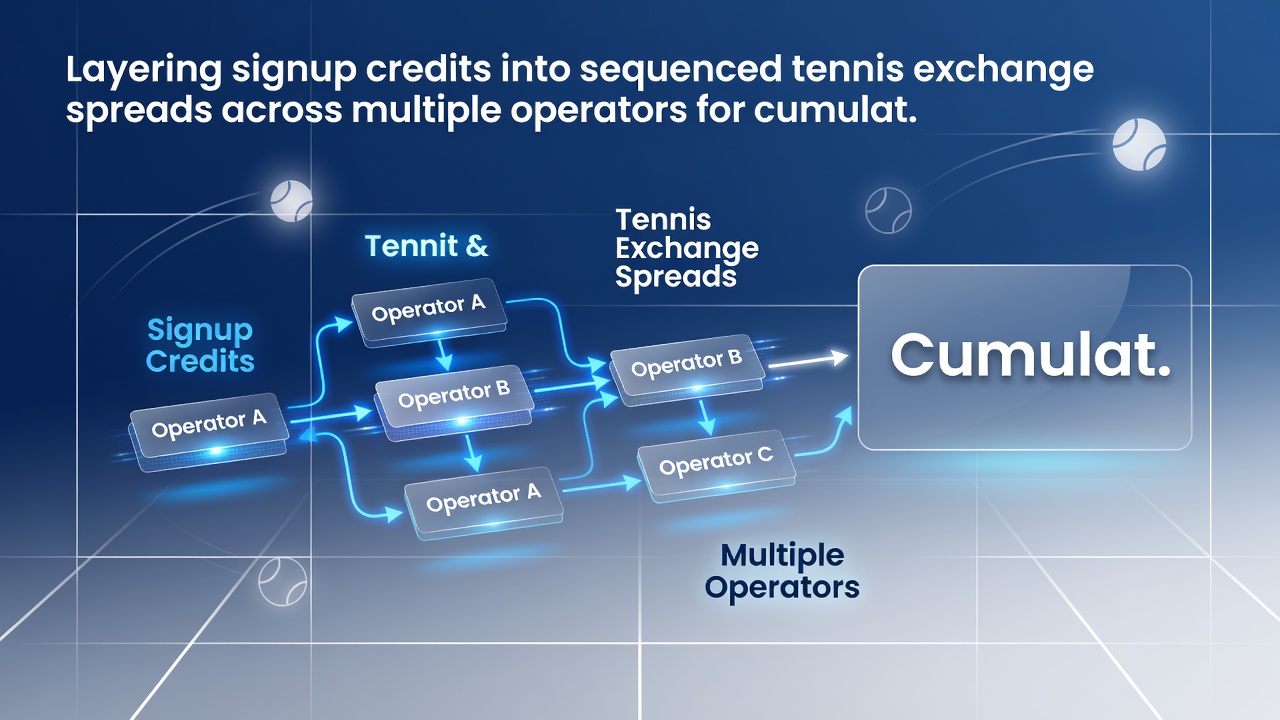
Cumulative Edge Construction Through Spread Offsets
Spread offsets occur when one credit-backed position on an over/under games market is balanced by a counter-spread on a different operator using its own credit, and the net exposure remains within the combined credit limits. According to findings published by the Australian Gambling Research Centre, multi-operator credit layering in volatile sports such as tennis can produce cumulative position deltas that exceed single-platform results by measurable margins when timing aligns with match momentum changes. The edge accumulates because each credit reduces the capital outlay required to maintain the spread differential, while exchange commission rates stay constant across the layered stakes.
Market Conditions in August 2026 Tournaments
August schedules include hard-court events transitioning from European clay, and liquidity data shows increased spread width during the first two days of each tournament as bookmakers adjust to surface-specific player statistics. Those monitoring exchange volumes have observed that signup credit sequences timed to these transition periods allow positions to be opened at wider spreads before tighter pricing emerges mid-week. External regulatory summaries from the Pennsylvania Gaming Control Board indicate steady growth in exchange-based tennis wagering volume during summer months, supporting the feasibility of maintaining multi-operator sequences without exhausting single-site limits.
Operational Considerations for Credit Sequencing
Account verification requirements vary, with some operators mandating identification upload before credit release while others permit limited activity during review. The sequence therefore incorporates buffer days between deposits to accommodate these differences and avoid credit forfeiture. Exchange rules on multiple account usage remain consistent across platforms, requiring distinct personal and payment details for each operator, and records show that compliance with these rules preserves access to successive signup offers without interruption.
Conclusion
Layering signup credits into sequenced tennis exchange spreads across multiple operators produces cumulative edges through timed activation, spread offsetting, and reduced capital exposure. Available data from regulatory and research bodies demonstrates that the approach depends on aligning credit validity windows with tournament schedules, particularly the surface transition periods observed in August 2026. The process remains governed by each operator's published terms and exchange commission structures, which determine the net outcome of layered positions.