Operational Frameworks for Sequential Bonus Deployment Across Betting Operator Networks
Sofia Meier · Jun 4, 2026
Operational Frameworks for Sequential Bonus Deployment Across Betting Operator Networks
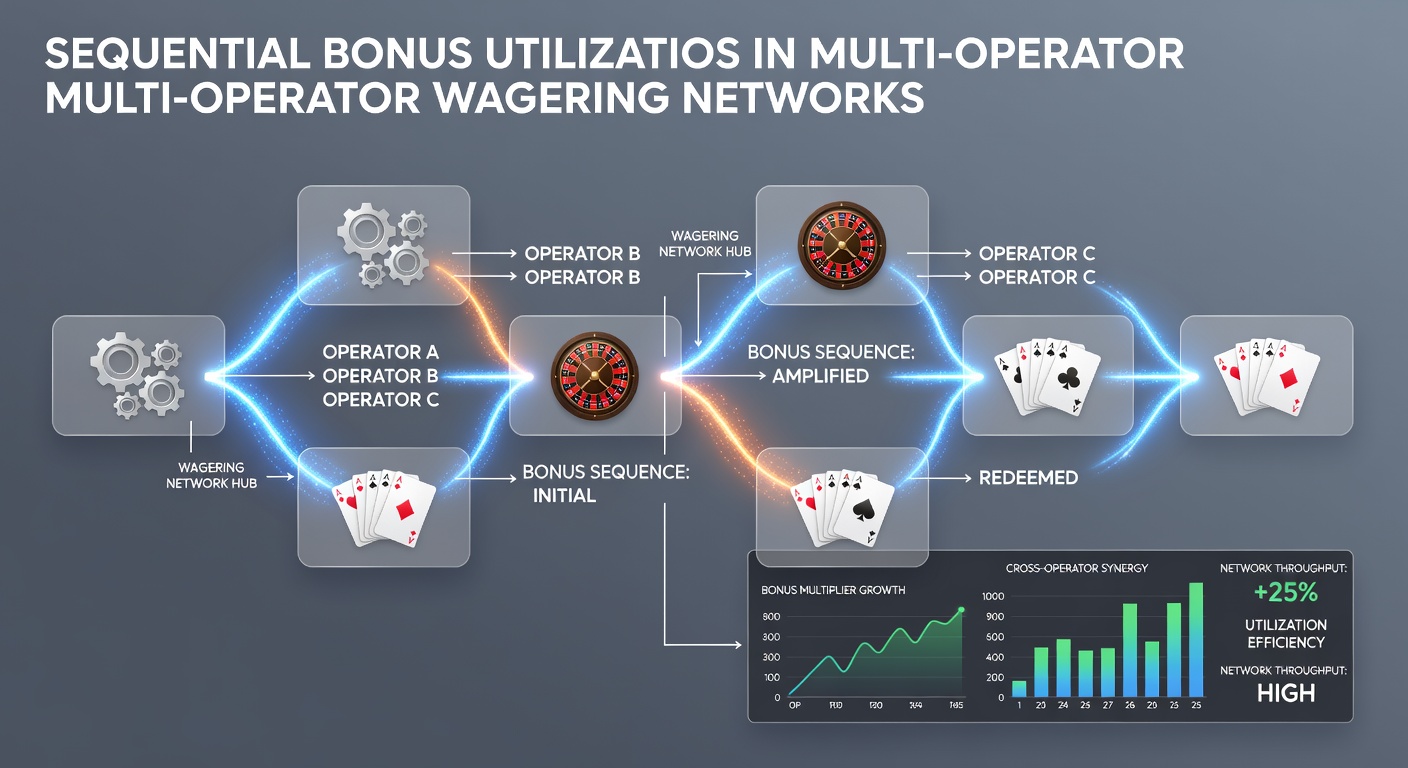
Sequential bonus utilization in multi-operator wagering networks involves structured processes where players activate and complete promotional offers from different betting platforms in coordinated sequences, and these systems rely on specific technical requirements such as rollover thresholds, time windows, and cross-site tracking protocols. Operators design these networks to manage player accounts through centralized verification tools that monitor activity across separate entities, which allows for precise calculation of bonus releases based on accumulated wagers.
Core Components of Networked Bonus Systems
Data from industry reports indicates that multi-operator setups function through shared application programming interfaces that synchronize user data while maintaining separate ledgers for each platform, and this architecture supports sequential activation by verifying completion of prior bonus terms before unlocking subsequent offers. Researchers have documented how rollover multipliers typically range from 5x to 20x depending on the operator agreement, with funds released only after total wagered amounts meet those benchmarks within defined periods. What's interesting is that these calculations incorporate both cash and bonus portions of bets, creating layered accounting that automated systems handle to prevent premature payouts.
Observers note that time-bound restrictions play a central role, as most sequential chains impose 7 to 30 day windows per stage, and failure to meet requirements in one phase resets eligibility across the entire sequence. According to analyses from the European Gaming and Betting Association, such constraints help operators balance promotional costs against player retention metrics, with network software logging every transaction timestamp to enforce compliance automatically.
Tracking and Verification Mechanisms
Advanced database integrations form the backbone of these networks, where unique player identifiers link accounts without merging balances, and this setup enables real-time audits of bonus progress across operators. Figures from regulatory filings in various jurisdictions reveal that verification protocols often include geo-location checks and device fingerprinting to confirm legitimate sequential usage rather than automated scripting attempts. But here's the thing: these same tools also flag patterns that might indicate coordinated multi-account strategies, prompting manual reviews in some cases.
Take one documented case where operators in interconnected networks adjusted their APIs mid-2026 to handle increased volume during major sporting events, and the updates improved latency in bonus status updates by integrating blockchain-style ledgers for immutable wager records. This adjustment coincided with broader market activity in June 2026 as seasonal fixtures drove higher engagement across platforms.
Stepwise Processes in Practice
Users typically begin by selecting an initial welcome offer on one operator, then progress to secondary promotions on partner sites only after satisfying initial conditions, and network dashboards display cumulative progress metrics to guide these transitions. Studies from academic sources on gambling systems have shown that effective sequencing depends on aligning bonus types, such as deposit matches followed by free bet credits, to optimize fund flow without violating individual terms. And yet the reality is that mismatched sequences often result in forfeited amounts when operators detect overlapping eligibility breaches through their shared monitoring layers.
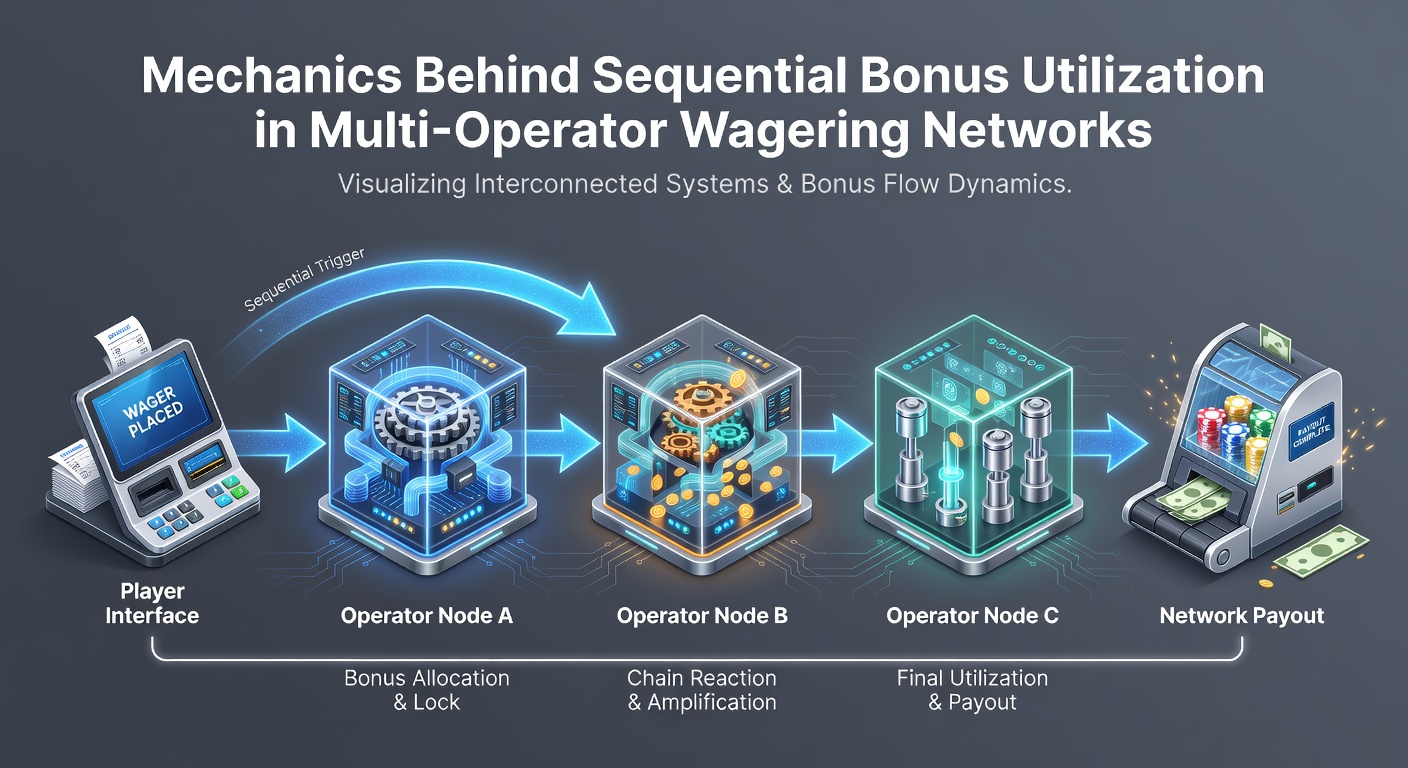
Industry organizations report that successful chains frequently incorporate cashback or rebate stages at later points to recycle portions of losses into new wagers, extending the sequence duration while complying with aggregate spending limits imposed by the network. These stages rely on percentage-based returns calculated from net losses over rolling periods, with automated distributions handled through the central system.
Regulatory Influences on Network Design
Government agencies in multiple regions have shaped these mechanics through licensing conditions that mandate transparent disclosure of sequential rules, and data from Canadian provincial gaming authorities highlights how standardized reporting formats now require operators to detail cross-site bonus interactions in annual submissions. This approach emerged partly from earlier observations of fragmented promotional structures that complicated player understanding and oversight efforts. Those who've examined compliance records find that audits increasingly focus on whether networks prevent unintended compounding of bonus values beyond intended limits.
Conclusion
Sequential bonus utilization mechanics continue to evolve with refinements in API connectivity and data analytics, allowing multi-operator networks to maintain operational integrity while supporting structured promotional pathways. Evidence from ongoing industry monitoring suggests these frameworks will incorporate additional safeguards as participation volumes grow through 2026 and beyond, with emphasis on precise tracking to align with diverse regulatory expectations across jurisdictions.