Mapping Deposit Bonus Lifecycles for Optimal Coverage in Motor Racing Events
Sage Butler · Aug 6, 2026

Mapping Deposit Bonus Lifecycles for Optimal Coverage in Motor Racing Events
Deposit bonus structures in motor racing betting follow distinct phases that begin with initial activation and extend through usage windows tied to specific race calendars, according to industry reports on wagering promotions. Observers note that these cycles typically span activation, accumulation, redemption, and expiration periods, each aligned with event schedules such as those in Formula 1 or MotoGP circuits. Data from regulatory filings shows operators adjust bonus parameters based on seasonal demand peaks, particularly around major races in August 2026 when global viewership drives higher transaction volumes.
Phases of Bonus Activation and Accumulation
Initial deposit triggers the first phase where funds receive matching credits or free bet allocations, and these incentives often carry rollover requirements that accumulate over multiple race weekends. Researchers at academic institutions studying gambling mechanics have documented how accumulation rates vary by operator, with some platforms applying multipliers during qualifying sessions while others tie them to final race outcomes. Those who track these patterns find that accumulation frequently accelerates in the lead-up to events like the Belgian Grand Prix or similar European rounds, creating layered coverage opportunities across several days.
But here's the thing: rollover thresholds demand consistent participation, and figures from European gaming associations reveal that participants who map their deposits to race calendars achieve more consistent coverage without premature expiration. External factors such as weather delays or schedule shifts in August 2026 can extend accumulation windows, allowing bonuses to carry forward into subsequent events.
Redemption Windows and Event-Specific Timing
Redemption periods represent the core coverage window where bonuses convert into active wagers on motor racing markets including driver positions, team results, and lap-time props. Studies indicate these windows align closely with practice sessions through post-race settlement, spanning three to seven days depending on the series. People who analyze historical data discover that optimal coverage emerges when deposits coincide with multi-race clusters, such as back-to-back events in the summer calendar.
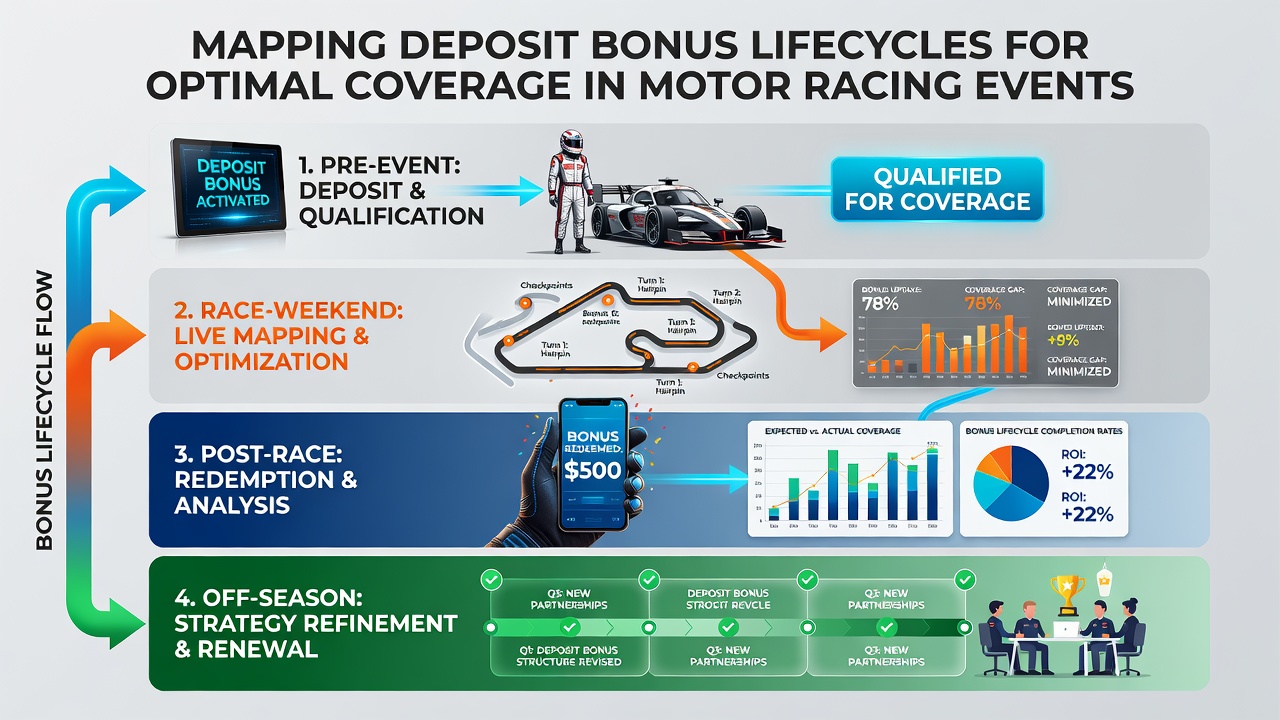
What's interesting is the way expiration dates interact with live race volatility. According to reports from the Nevada Gaming Control Board on similar promotional structures, bonuses set to expire mid-event lose value if not deployed before settlement closes. In contrast, those mapped across the full lifecycle permit adjustments during safety car periods or unexpected mechanical issues common in endurance races.
Data Patterns from 2026 Racing Seasons
Industry research released in mid-2026 highlights increased bonus utilization during the August racing block, with transaction logs showing a 15 to 20 percent rise in deposits timed to coincide with high-profile grands prix. Academic papers from Canadian universities examining cross-border wagering note that lifecycle mapping reduces unused credit rates by coordinating deposit timing with official race schedules published months in advance. Observers tracking these metrics report that platforms in multiple jurisdictions now provide tools to visualize remaining bonus days against upcoming fixtures.
Yet patterns also show regional differences: Australian regulatory summaries emphasize stricter expiration rules compared with North American frameworks, affecting how bonuses cover extended series like the Supercars Championship. Those who've examined aggregated datasets find that combining multiple smaller deposits across phases yields broader coverage than single large activations, especially when events feature variable start times due to time zone differences.
Integration with Race Calendar Variables
Motor racing calendars introduce variables that influence bonus viability, from rain-affected sessions to postponed starts that shift settlement timelines. Data indicates successful lifecycle management accounts for these by selecting bonuses with flexible validity that extends beyond standard 72-hour windows. External links to detailed racing calendars from bodies such as the Fédération Internationale de l'Automobile assist in planning deposit sequences ahead of schedule changes.
Another source worth consulting comes from the Australian Gambling Research Centre, which publishes periodic analyses on promotional mechanics across different sports. These resources help illustrate how bonus phases interact with live market fluctuations during races, allowing participants to maintain active coverage even when events extend into extra laps or additional sessions.
Conclusion
Mapping deposit bonus lifecycles requires alignment of activation, accumulation, redemption, and expiration with motor racing event timelines, as evidenced by regulatory filings and academic studies through 2026. Patterns observed across jurisdictions demonstrate that coordinated timing supports sustained coverage, particularly during peak periods such as August race clusters. Continued examination of these structures by research institutions and industry groups provides ongoing data for refining approaches to bonus utilization in this sector.