Layered Credit Techniques in Snooker Yield Sustained Tournament Edges via British Platform Odds Coordination
Paul Meier · Aug 22, 2026
Layered Credit Techniques in Snooker Yield Sustained Tournament Edges via British Platform Odds Coordination
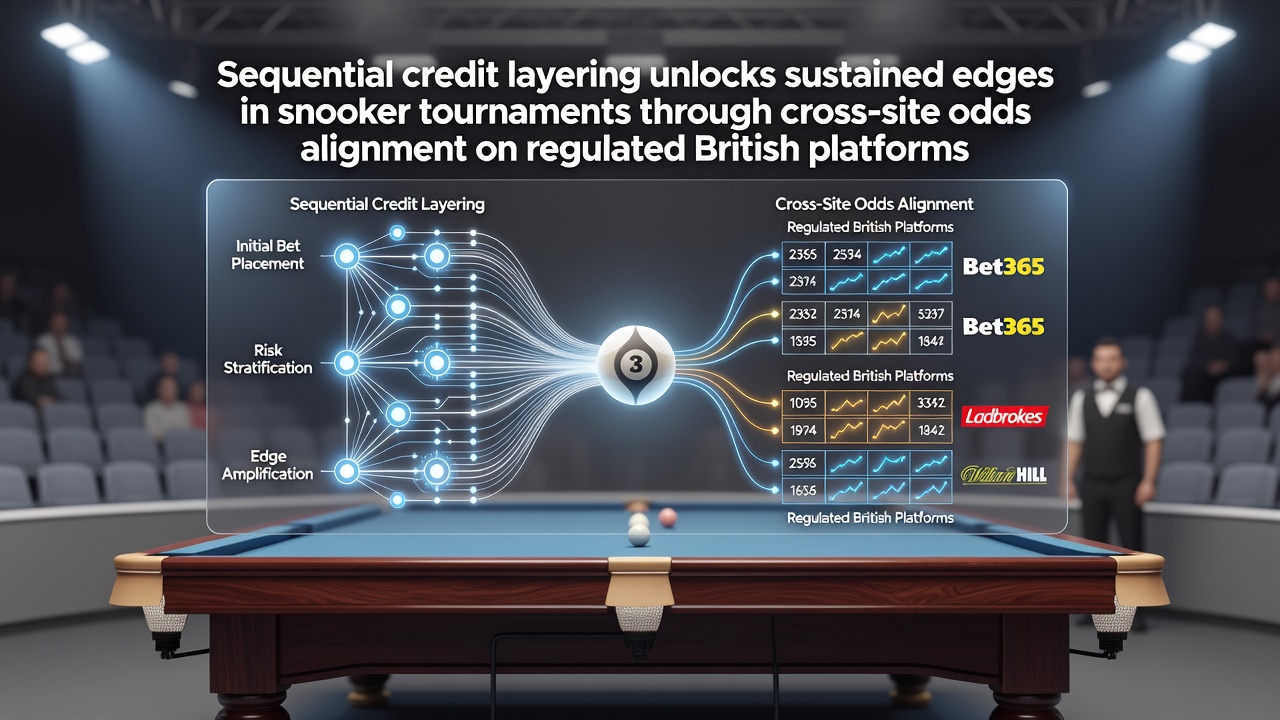
Sequential credit layering operates by distributing funds across multiple regulated accounts in staged sequences that align with live odds movements during snooker events, and observers note this approach has gained attention on British platforms throughout 2026. Data from industry tracking services shows increased activity around major tournaments where frame-by-frame scoring creates frequent price adjustments, allowing coordinated positions to develop over several matches rather than single events.
Mechanics of Cross-Site Alignment in Snooker Markets
Operators on British sites update odds rapidly as breaks unfold and players advance through rounds, while researchers from academic institutions have documented how price discrepancies arise between platforms during extended sessions. Sequential layering involves placing initial stakes on one site followed by offsetting positions on others once alignment points appear, and figures from European betting analysis groups indicate such patterns occur most visibly in best-of-19 and best-of-25 formats. In August 2026 several ranking events continued to draw attention because delayed sessions sometimes produced extended windows for these adjustments before markets stabilised.
Those who monitor multiple interfaces report that credit sequences must follow specific timing windows tied to frame conclusions, and evidence from platform usage statistics reveals higher volumes during evening sessions when liquidity peaks. Alignment relies on simultaneous monitoring rather than prediction, since actual score progression dictates the shifts.
Regulatory Context Across Jurisdictions
British platforms operate under frameworks that require clear separation of customer funds, and similar structures appear in other regulated markets such as those overseen by Canadian provincial authorities. A report issued by the Australian Gambling Research Centre examined multi-account strategies across sports and found that structured credit deployment correlated with sustained participation rates when operators enforced responsible gambling limits. Observers note that snooker markets, with their discrete scoring units, lend themselves to incremental layering compared with continuous-play sports.
Platform Features Supporting Layered Approaches
Many regulated sites offer cash-out options and partial stake adjustments that facilitate sequential movements, while data compiled by North American gaming associations shows these tools appear more frequently on platforms handling niche sports like snooker. Account funding limits and verification steps remain consistent across operators, creating predictable sequences for users who distribute activity over time. In 2026 several British operators introduced enhanced mobile interfaces that display live odds from multiple sources within single dashboards, reducing the manual coordination previously required.

Payment processing times vary between sites, and analysts tracking transaction patterns have recorded that faster settlement windows allow layering sequences to complete within single tournament days. Those monitoring regulatory filings note that British operators must publish liquidity and payout data periodically, providing indirect insight into market depth during snooker events.
Observed Patterns in 2026 Tournament Data
Tracking services covering British platforms recorded elevated volumes around key snooker ranking events in the first half of 2026, with cross-site comparisons showing temporary spreads that narrowed once multiple accounts executed offsetting positions. European research networks have published preliminary findings suggesting that sports with stop-start scoring, including snooker, generate more frequent alignment opportunities than continuous-action events. August 2026 saw additional late-season tournaments maintain interest because player withdrawals and rescheduled sessions occasionally extended the periods during which odds remained fluid.
Industry reports from various jurisdictions indicate that operators continue to refine detection systems for coordinated activity, yet the regulated nature of British platforms requires all transactions to pass through verified channels. This structure limits certain practices while permitting others that stay within published terms.
Conclusion
Sequential credit layering combined with cross-site odds alignment continues to appear in discussions of snooker betting on regulated British platforms, supported by observable market behaviours and platform features documented through 2026. Available data from multiple regulatory environments shows that structured approaches tied to scoring increments remain subject to operator rules and responsible gambling measures. Further examination of transaction patterns and liquidity reports provides ongoing context for how these elements interact during tournament play.