High Street Betting Shops Close Across UK as Tax Pressures Mount
Paul Meier · Aug 13, 2026

High Street Betting Shops Close Across UK as Tax Pressures Mount
The Betting and Gaming Council reported that more than 540 high-street betting shops have closed in the UK and around 4,500 jobs have been lost since last year’s Budget due to rising taxes and costs on the regulated betting sector, and this development builds directly on a longer-term decline that started in 2019 when approximately 3,000 shops and 15,000 jobs disappeared. Observers note the pattern shows consistent contraction in physical retail outlets tied to the same cost drivers, while the remaining shops continue to support about 37,500 jobs and form part of a sector that contributes £6.8bn in GVA along with over £4bn in annual tax revenues.
Recent Closures Since Last Budget
Data from the Betting and Gaming Council shows the 540 shop closures and 4,500 job losses occurred after the most recent Budget introduced higher taxes and operating costs for the regulated betting sector, and these figures cover the period up to August 2026 when the latest tally was compiled. The regulated operators have cited increased fiscal burdens as the direct cause, with the result that high-street locations have become less viable to maintain. Those who have tracked the sector over time point out that each closure removes a local employer and a visible presence on town centres, yet the overall contribution from the surviving outlets remains substantial in both employment and fiscal terms.
Longer-Term Decline Since 2019
Since 2019 the industry has already lost around 3,000 shops and 15,000 jobs according to the same source, and the recent wave of closures simply extends that established trend under continued tax and cost pressures. Researchers who monitor retail and leisure sectors have recorded the cumulative impact across multiple years, showing a steady reduction in the number of physical betting locations while online channels have grown. The pattern illustrates how successive fiscal measures have compounded the challenges faced by high-street operators, leading to fewer premises and fewer roles in communities that once hosted multiple betting shops.
Warnings About Further Tax Increases
The industry has warned that additional tax hikes, including those proposed on online sports betting, will accelerate shop closures, reduce investment, and harm high streets while benefiting the illegal market, and these concerns appear in statements issued alongside the latest closure figures. Observers note the risk that higher costs could shift activity toward unregulated operators, potentially undermining the tax revenues currently generated by the licensed sector. Data indicates the remaining 37,500 jobs and the £6.8bn GVA contribution could face further erosion if the same cost trajectory continues, with high-street economies losing both direct employment and the footfall that betting shops bring to surrounding businesses.
Economic Role of Surviving Outlets
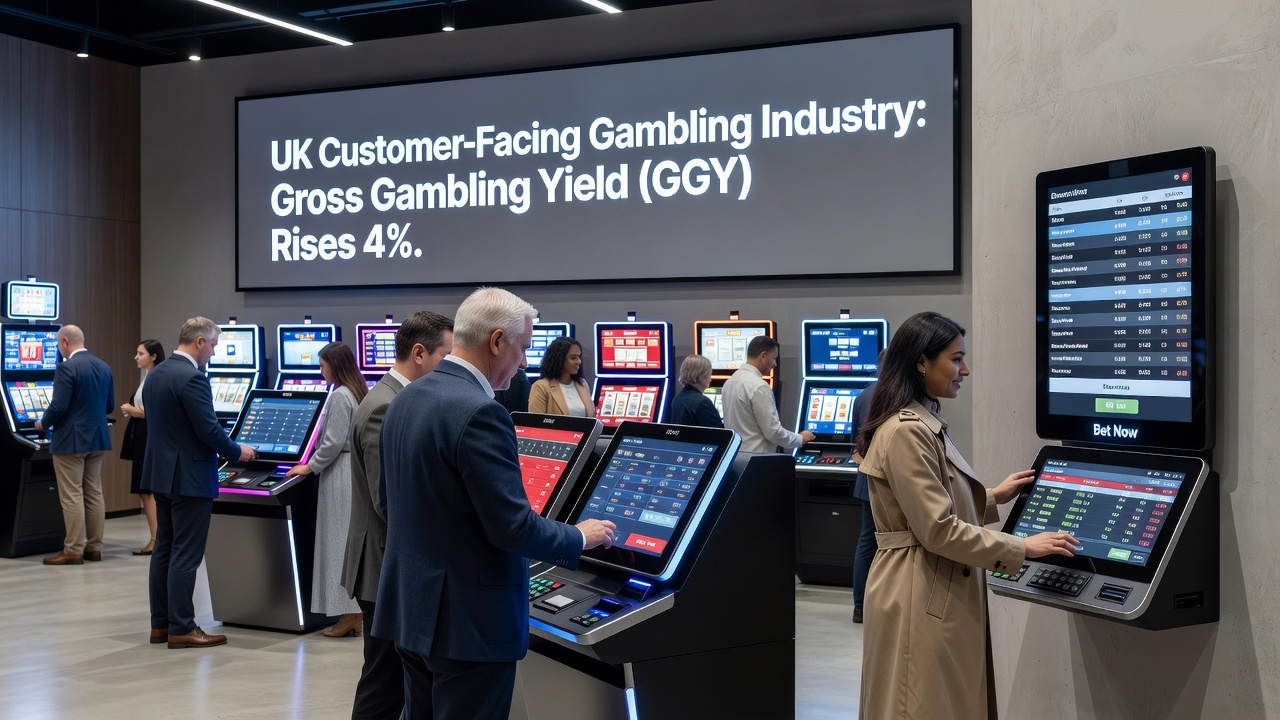
Despite the closures, the remaining shops still support roughly 37,500 jobs and contribute to the sector’s overall £6.8bn GVA and more than £4bn in annual tax revenues, according to the Betting and Gaming Council’s assessment. These figures demonstrate that the regulated betting sector continues to deliver measurable economic value even after multiple rounds of contraction, and the tax receipts represent a steady flow to public finances. Those who study local economies have observed that betting shops often anchor small parades of shops, providing footfall that benefits neighbouring retailers, and the loss of each premises removes both the direct jobs and that secondary economic activity.
Further tax rises could intensify the shift toward illegal operators, the industry statement adds, because higher costs on legal channels make unregulated alternatives more attractive to some customers. The Betting and Gaming Council has linked this dynamic explicitly to the recent closure numbers and the longer decline since 2019, noting that sustained pressure on the regulated market risks eroding both employment and the tax base that currently exceeds £4bn each year.
Conclusion
The Betting and Gaming Council’s report records more than 540 high-street betting shops closed and 4,500 jobs lost since last year’s Budget, continuing a decline that began in 2019 with 3,000 earlier closures and 15,000 job losses. The remaining outlets still sustain 37,500 positions and generate £6.8bn in GVA plus over £4bn in tax revenues, yet industry statements flag the likelihood of faster contraction if taxes rise again on both high-street and online betting. Observers tracking the sector note that these outcomes affect high streets directly through reduced employment and footfall, while the data shows the regulated market’s ongoing fiscal contribution remains significant as of August 2026.