Exploring Sequential Bonus Utilization in International Volleyball Events Through Comparative Line Monitoring
Drew Franke · Jul 20, 2026

Exploring Sequential Bonus Utilization in International Volleyball Events Through Comparative Line Monitoring
International volleyball competitions present structured opportunities for sequential bonus utilization when analysts apply comparative line monitoring across multiple events and platforms. Observers track how betting lines shift from preliminary rounds through knockout stages in tournaments sanctioned by the FIVB and regional confederations. Data from these events shows that line variations often align with roster changes, set-by-set momentum shifts, and venue-specific factors such as court surface and crowd density.
Sequential bonus structures typically involve progressive rewards that unlock after initial deposits or wagers, allowing extended engagement across an event calendar. Researchers at sports analytics centers have documented how these sequences interact with volleyball schedules, where matches occur in clusters during July and August. In 2026 several major tournaments fell within this window, creating consecutive fixtures that permitted repeated application of reload mechanisms tied to performance benchmarks.
Core Elements of Line Comparison Across Volleyball Markets
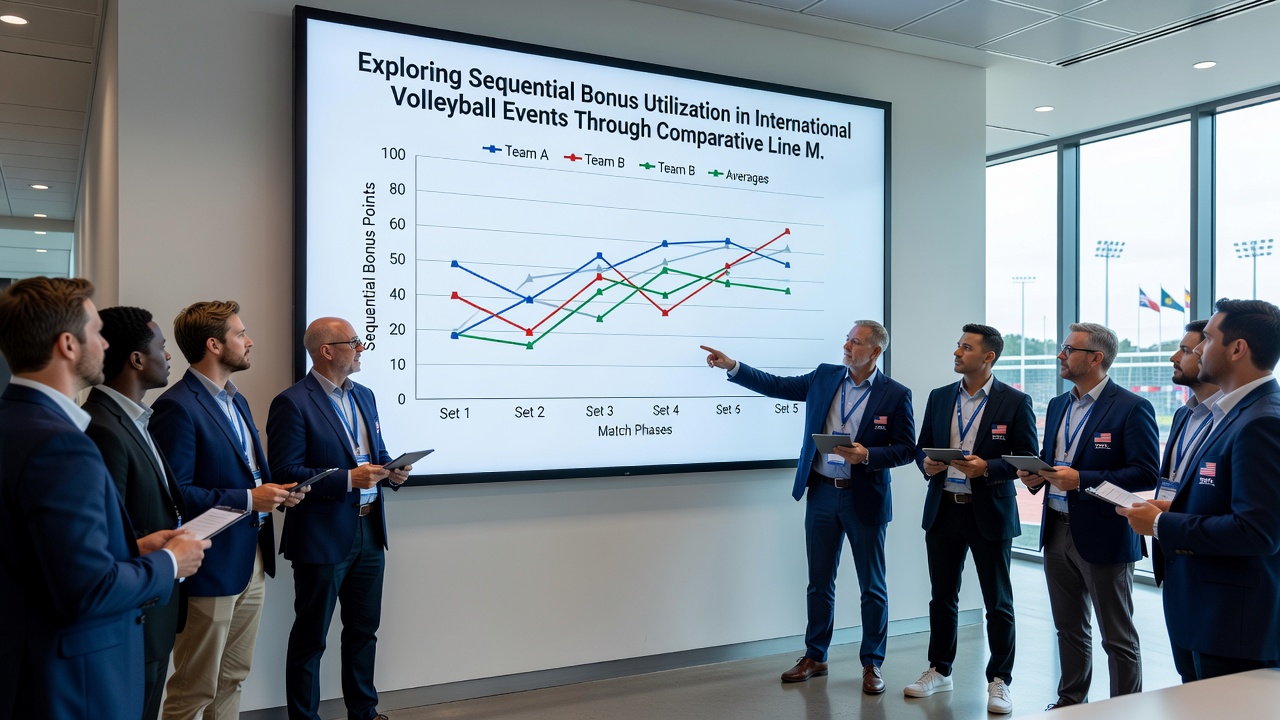
Comparative line monitoring relies on simultaneous tracking of point spreads, total points, and set handicaps offered by multiple operators. Analysts collect real-time feeds from events such as the Volleyball Nations League and continental championships, then cross-reference discrepancies that emerge between pre-match and in-play lines. Those discrepancies frequently widen during extended rallies or after timeout adjustments, creating measurable windows for sequential bonus activation.
Studies conducted by European sports data consortia indicate that average line movement in elite volleyball matches reaches 1.8 points within the first set when one team records an early service run. Such movement patterns repeat across different confederations yet vary by region because of differences in officiating styles and recovery protocols. Teams competing in Asian and South American qualifiers often exhibit sharper line adjustments than those in North American circuits, according to aggregated match logs from 2024 through 2026.
Application of Sequential Bonuses During Multi-Stage Events
Operators structure sequential bonuses so that each completed wager unlocks an incremental reward tier, frequently calibrated to total turnover or event-specific milestones. In volleyball contexts this means aligning bonus releases with the conclusion of pool play and the start of playoff brackets. One documented approach involves monitoring opening lines on day one of a tournament, placing initial wagers to satisfy bonus conditions, then scaling subsequent positions as comparative data reveals value differentials in later rounds.
Industry reports from the Asia Pacific Gambling Association highlight that volleyball attracts a growing share of sequential bonus traffic during summer months because match density allows rapid cycling through reward tiers. Data collected from Australian and Japanese operators shows that participants who maintain consistent line-comparison routines across three or more matches per day achieve higher completion rates for multi-stage bonus sequences than those focused on single-sport calendars.
Regional Variations and Data Sources
North American regulatory filings from the Nevada Gaming Control Board record steady increases in volleyball-related wagering volume during Olympic qualification cycles. These filings note that comparative line tools became more prevalent after 2023, coinciding with expanded live-stream coverage of international matches. European operators, governed by frameworks from the Malta Gaming Authority, report similar trends yet emphasize stricter responsible-gambling thresholds that cap sequential bonus stacking within defined timeframes.
Academic papers published by the University of Queensland Centre for Gambling Research examine how line-monitoring software influences decision timing in fast-paced sports. The research indicates that volleyball's continuous scoring system generates more frequent line updates than stop-start formats, thereby supporting tighter synchronization between bonus activation windows and market movements. Observers note that participants who integrate third-party data feeds achieve more precise alignment between sequential requirements and observable line shifts.
Practical Monitoring Techniques in Tournament Settings
Effective comparative monitoring begins with baseline line capture at tournament announcement, followed by daily updates that incorporate injury reports, travel schedules, and historical head-to-head metrics. Analysts maintain spreadsheets or dedicated dashboards that flag deviations exceeding preset thresholds, typically 2.5 points on totals or 0.25 on set handicaps. These alerts trigger evaluation of whether current bonus tiers remain active and whether additional wagers satisfy progression rules.
Case examples from the 2026 FIVB Volleyball World Championship illustrate the process. Early pool matches produced modest line stability, whereas quarterfinal fixtures displayed pronounced swings after each set. Participants who tracked these swings through multiple operators identified repeated opportunities to sequence bonus-eligible wagers across consecutive days without exceeding platform-imposed limits.
Conclusion
Sequential bonus utilization in international volleyball hinges on disciplined comparative line monitoring that captures movement across stages and jurisdictions. Data from regulatory bodies, academic institutions, and industry associations demonstrates consistent patterns in line behavior that align with tournament structures. Those patterns continue to evolve as live coverage expands and operators refine reward mechanics for summer competition calendars.