Cross-Event Reward Layering in Worldwide Sports Series Uncovers Potential Arbitrage Moments
Paul Meier · Aug 3, 2026
Cross-Event Reward Layering in Worldwide Sports Series Uncovers Potential Arbitrage Moments
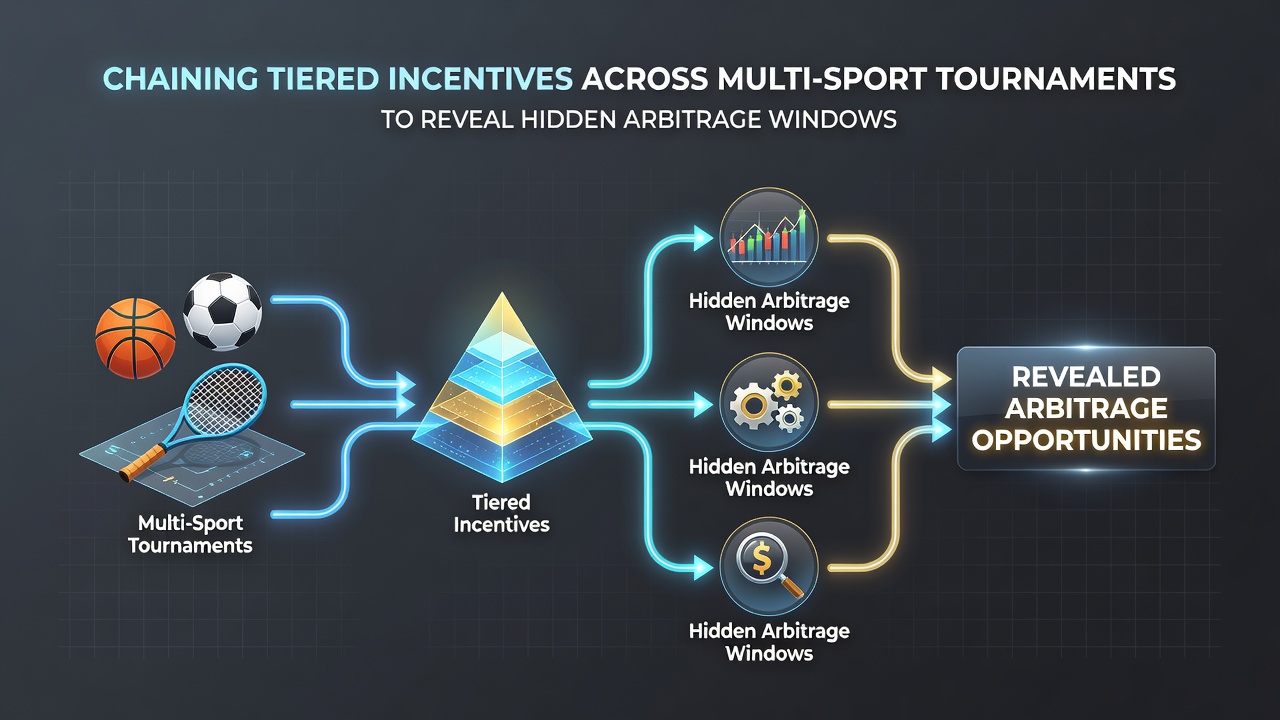
Operators in regulated markets have expanded tiered incentive programs that span multiple sports tournaments, creating sequences where initial deposits unlock escalating rewards across football leagues, tennis majors, and basketball playoffs. Data from industry tracking services shows these structures often combine welcome bonuses with reload offers and performance-based cashbacks, allowing participants to align wagers in ways that exploit minor price discrepancies between platforms.
Mechanics of Tiered Reward Chains
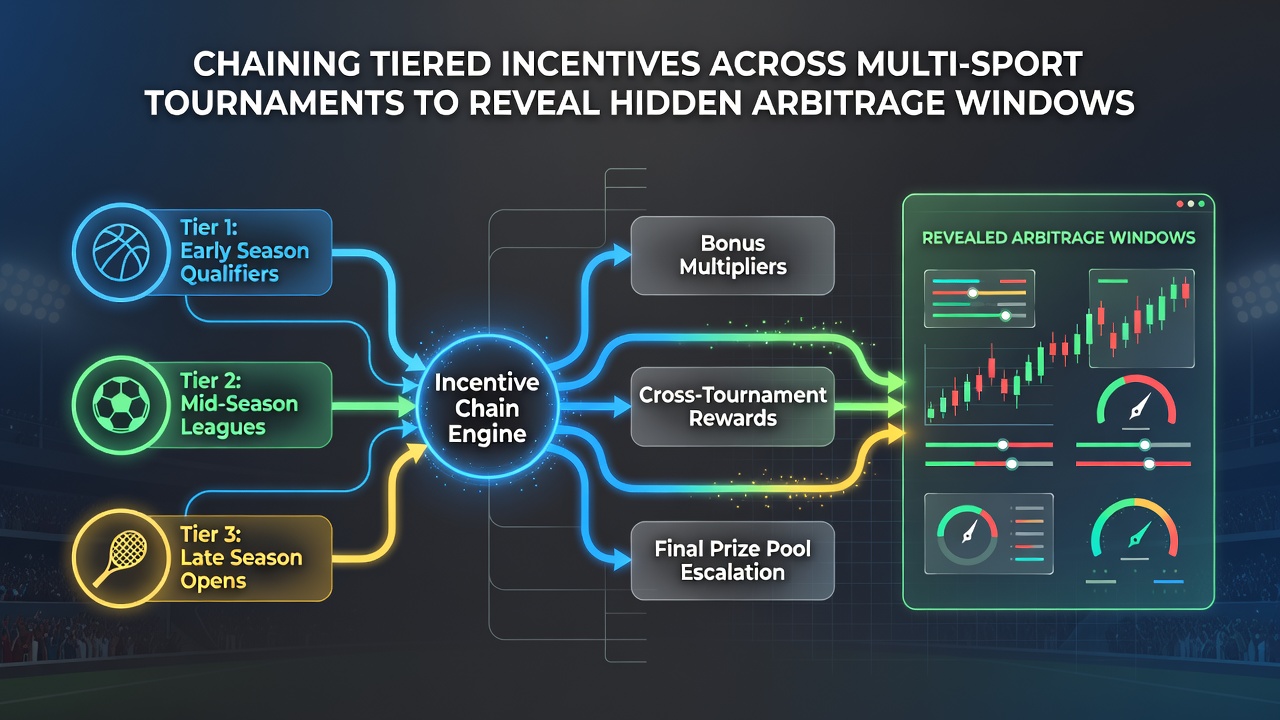
Participants typically begin with a sign-up deposit that triggers a percentage match, then progress through requirements such as minimum odds thresholds or volume targets to access higher tiers. These tiers frequently carry over from one sport to another when tournaments overlap, so a completed football accumulator might satisfy conditions that unlock a boosted tennis stake later in the same week. Observers note that the sequencing depends on calendar alignment, with summer schedules in 2026 placing cricket internationals alongside early basketball pre-seasons and golf majors.
Platforms calculate progression using accumulated turnover rather than individual profit or loss, which means the same stake amount can satisfy multiple conditions when placed across different events. Research from academic groups studying consumer behavior in gambling markets indicates that such designs encourage continued activity because each completed tier resets or extends eligibility for the next.
Identifying Windows Across Tournament Schedules
Hidden arbitrage opportunities emerge when odds on concurrent events diverge enough to offset the effective cost of bonus wagering requirements. For instance, a participant might use a free bet earned from a rugby deposit to cover one side of a tennis match while placing a matched stake on a basketball total, provided the combined payout exceeds the rollover obligation. August 2026 schedules place several overlapping fixtures in different time zones, increasing the number of simultaneous markets available for comparison.
Those who monitor multiple exchanges report that live odds movement during one tournament can create brief mismatches that pair with static pre-match lines in another sport. The process requires tracking both the incentive terms and the implied probabilities across sites, because small variations in how each platform treats voided or postponed matches affect whether the chain remains profitable after all conditions clear.
Regulatory Context and Platform Variations
Rules governing bonus chaining differ by jurisdiction, with some requiring clear disclosure of rollover calculations while others focus on advertising standards. According to reports published by the Australian Gambling Research Centre, operators in that region must separate promotional terms from core betting rules, which affects how multi-sport incentives can be presented. Similar frameworks appear in Canadian provincial reviews, where data collection on player spend patterns informs updates to responsible gambling tools.
European operators often segment incentives by sport category, so a football-derived reward may not automatically transfer to a darts or snooker market. This segmentation creates additional planning steps for anyone attempting to maintain an active chain through an entire season of overlapping events.
Practical Tracking Approaches
Specialized software now aggregates terms from several operators and flags when a single deposit satisfies conditions on two different platforms simultaneously. Users compare the effective price of each bonus after accounting for the lowest odds permitted and any maximum payout caps. Studies conducted by university research teams have examined how these tools influence the speed at which discrepancies close once they become visible to larger groups of participants.
Market data collected during major multi-sport periods shows that the highest volume of cross-platform activity occurs in the first 48 hours after a new tier unlocks, because early movers secure the largest margins before odds adjust. Later in the cycle, remaining opportunities tend to appear only in lower-liquidity niche markets such as lower-division volleyball or regional golf tours.
Conclusion
Layered incentives that span multiple sports continue to evolve as operators adjust terms in response to regulatory guidance and player activity patterns. Those examining these systems focus on calendar overlaps, precise rollover mechanics, and live odds movement to locate sequences where combined returns exceed the requirements attached to each reward tier. Ongoing collection of performance statistics by research organizations provides the factual baseline for understanding how such structures operate across different regulatory environments.