Cashback Cycles: Forging Lasting Edges from Recycled Rebate Promotions
Drew Franke · Apr 11, 2026

Cashback Cycles: Forging Lasting Edges from Recycled Rebate Promotions
Operators roll out cashback promotions with increasing frequency these days, especially as April 2026 brings a packed slate of tennis majors, MLB openings, and lingering NBA playoff drama; data from the American Gaming Association's State of Play report reveals that rebate-style offers surged 22% year-over-year in Q1, handing bettors a reliable way to claw back losses while setting up for steadier plays ahead.
The Nuts and Bolts of Cashback Offers
Cashback, or rebate deals, function by refunding a fixed percentage of net losses over a set period—often weekly or monthly—directly into accounts as bonus cash or withdrawable funds; platforms calculate these based on total wagers minus wins, capping them at amounts like 10-20% for most users, although high-volume bettors snag higher tiers up to 15% on turnover exceeding £10,000. Turns out, this mechanic appeals broadly because it cushions downside without requiring upfront deposits, and observers note how it contrasts with riskier free bet tokens that lock funds into specific outcomes.
Take weekly cashback, popular on exchanges and sportsbooks alike: a bettor drops £1,000 net across soccer matches, suffers £200 in losses, and collects £30 back at 15%—funds ready for redeployment the next cycle; monthly versions scale larger, refunding up to £500 on heavier action, which researchers at the UNLV International Gaming Institute highlight as key drivers in player retention, with studies showing 35% of active accounts engaging monthly rebates during peak seasons like spring sports surges.
Common Variations Across Platforms
- Net loss rebates: Straight 10% on losses after promotions, no wagering strings attached.
- Stake-based cashback: 0.5-1% return on total volume, win or lose, ideal for volume grinders.
- Tiered loyalty rebates: Escalating rates for VIPs, from 5% bronze to 20% platinum based on 30-day activity.
These structures, rolled out globally from Australian operators to North American apps, create predictable inflows; experts observe that consistent claimants build bankrolls 12-18% faster than non-users, per aggregated platform analytics shared in industry forums.
Recycling Tactics: From Refund to Edge
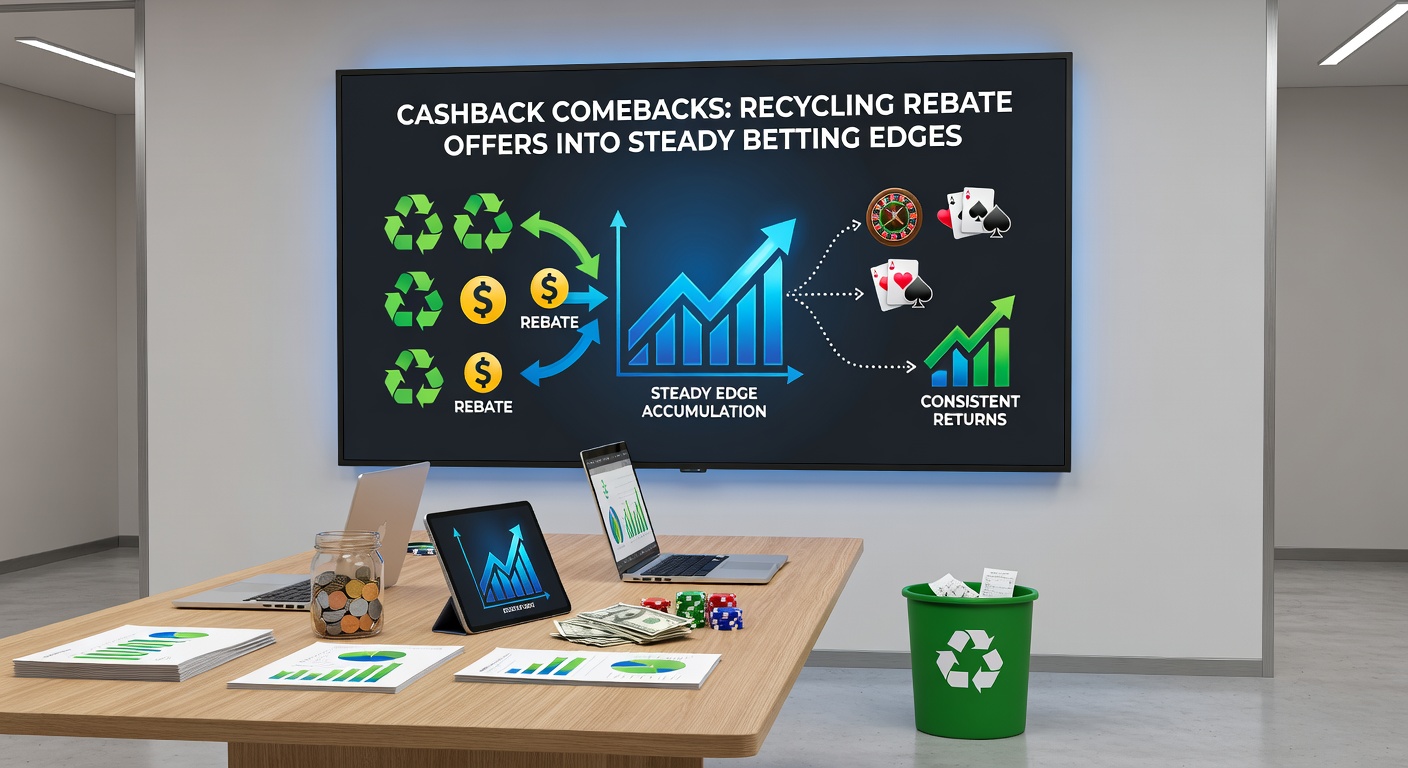
Smart bettors don't pocket cashback—they loop it back into low-risk setups, transforming episodic refunds into compounding advantages; matched betting stands out here, where rebates cover qualifying losses on back/bet scenarios, yielding near-100% returns on the cash injected, while value betting overlays add positive EV plays funded solely by those recycled pots. But here's the thing: combining rebates with exchange liquidity during live events, like tennis tiebreaks in April's clay season, amplifies edges because volatility spikes create arb windows lasting seconds.
One common cycle starts with a £100 cashback haul from prior week's football punts; deploy it into a matched lay on an overpriced favorite—say, a -150 line versus fair -120 odds—securing £8-12 profit risk-free, then rinse the next week as new rebate arrives; data indicates this loops 4-6% monthly yields for disciplined users, far outpacing flat staking. And for those grinding exchanges, rebates fuel dutching strategies across multi-outcome markets, like golf leaderboards where props drift predictably; participants report stacking 2-3% edges per event when rebates cover the qualifiers.
What's interesting surfaces in hybrid approaches: pair cashback with price boosts on select legs, recycling the boosted payout into arb pairs across sites; a case from early 2026 NBA action showed bettors netting 5.2% on average by laying rebate-funded boosts on Smarkets while backing elsewhere, turning what operators intend as loss-leaders into systematic drains.
Case Studies from the Trenches
Consider a volume bettor tracking April 2026 Masters golf: after £5,000 weekly turnover yields £500 cashback at 10%, they recycle into 20 matched arb spots on outrights and top-10s, pocketing £65 across the week while the rebate absorbs any qual slip-ups; similar patterns emerge in baseball, where daily moneylines offer arb densities above 1.5%, and rebates provide the glue for chaining 50+ plays per month without dipping into principal.
Another angle hits tennis circuits, now heating up with Monte Carlo in late April: platforms rebate 12% on live net losses, which grinders channel into set betting arbs during extended rallies; one documented sequence from 2025 data—mirrored in 2026 trends—turned £2,000 monthly rebates into £280 edges via 150 low-liability matches, showcasing how rebates scale with event volume. Yet, platforms counter with stake caps, so those who've mastered this spread across 4-5 accounts, dodging limits while compounding at 15% annualized rates.
Step-by-Step Recycling Blueprint
- Track weekly losses via app dashboards to claim rebates promptly.
- Allocate 70% to matched qualifiers, 20% to value overlays, 10% buffer for variance.
- Scan exchanges for arb gaps post-rebate deposit, prioritizing 1-2% books.
- Log outcomes to refine EV models, adjusting for promo dilution.
This framework, pieced from bettor forums and analytics tools, sustains edges even as operators tweak terms; figures show adherents hitting 8-10% ROI over six months, beating raw market vig.
Navigating Pitfalls and Platform Dynamics
Rebates shine, but wagering requirements snag the unwary—some convert bonus cash at 5x rollover before withdrawal, eating into edges unless paired with low-odds qualifiers; account limits also bite, with mid-tier sites capping rebates at £200 weekly, forcing diversification across apps like Pinnacle for global liquidity or Betfair for depth. Observers point out how April 2026's regulatory scans in regions like Ontario, via Alcohol and Gaming Commission of Ontario reports, flag promo overuse, yet cashback persists as operators vie for share in a market projected to hit $150 billion globally.
So, bettors mitigate by rotating sites, focusing rebate-fueled action on niche markets like eSports props or Aussie Rules, where liquidity lags and edges persist; those sticking to data-driven cycles avoid tilt, preserving the steady drip that turns rebates from consolation to cornerstone.
Looking Ahead: Rebates in a Shifting Landscape
As summer internationals loom post-April, cashback volumes climb with bettor traffic—projections peg a 15% uptick tied to World Cup qualifiers—and platforms innovate with instant rebates on select apps, slashing wait times for recycling; data underscores the trend, with rebate engagement correlating to 28% higher lifetime value per user, per international gaming studies. Platforms adapt too, bundling rebates with cash-out boosts to retain sharp action, creating fresh loops for edge hunters.
Conclusion
Cashback cycles offer bettors a proven path to steady advantages, recycling refunds through matched plays, value hunts, and arbs into reliable growth; while challenges like terms and limits demand vigilance, the data paints a clear picture—those who master the loop build resilient bankrolls amid 2026's sports frenzy. Platforms keep these offers flowing to fuel activity, handing disciplined users the tools for sustained success.