Building Momentum Through Stacked Incentives: How Welcome and Reload Structures Fuel Long-Range Plays
Paul Meier · Aug 8, 2026
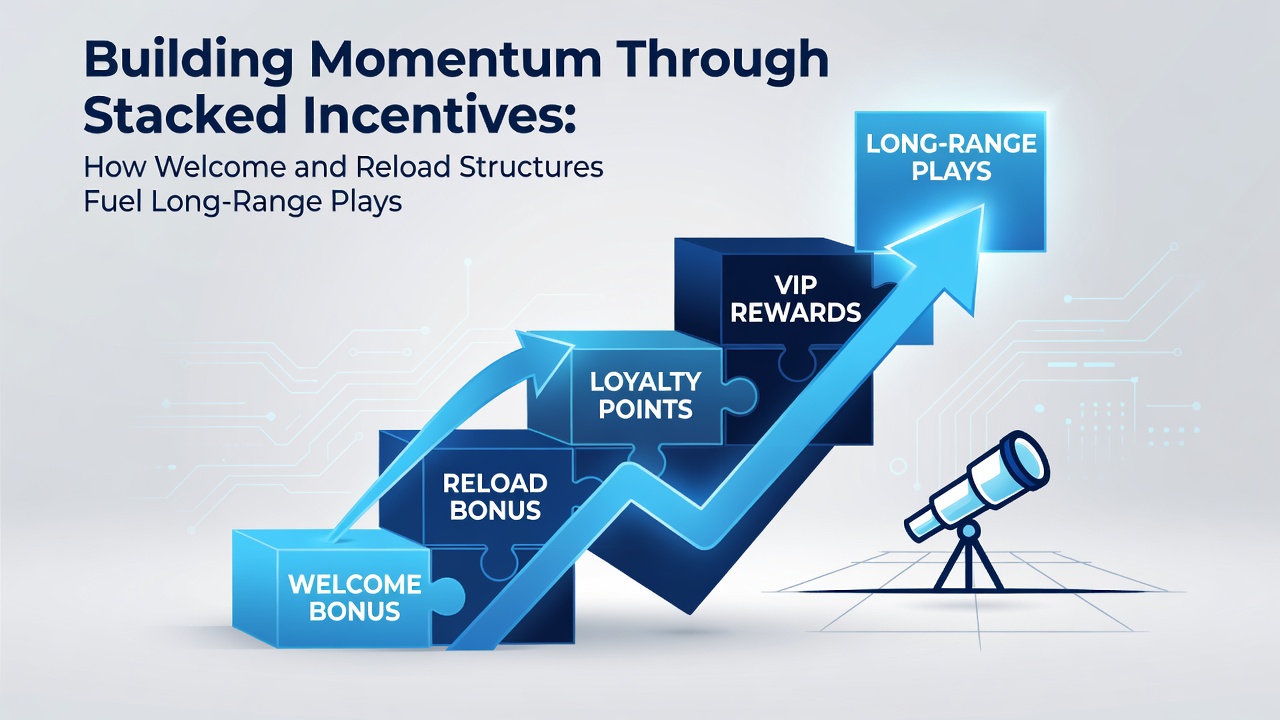
Building Momentum Through Stacked Incentives: How Welcome and Reload Structures Fuel Long-Range Plays
Operators across multiple regions structure welcome packages as initial deposit matches combined with free bet credits, and these elements create entry points that connect directly to reload mechanisms released on subsequent deposits. Data from industry tracking services indicate that platforms release reload offers at fixed intervals, often weekly or monthly, and users who activate both layers maintain activity over extended periods rather than single sessions. According to reports compiled by the American Gaming Association, operators in regulated North American markets documented sustained account activity when welcome credits rolled into reload sequences during the first quarter of 2026.
Welcome Structures as Foundation Layers
Standard welcome constructions include a percentage match on the first deposit plus a fixed number of free bets, and these components activate upon account verification while carrying wagering requirements that span multiple events. Research conducted by the Australian Gambling Research Centre shows that users who complete the initial match requirement within seven days receive eligibility notifications for the next reload tier, which extends the cycle. Figures released in mid-2026 revealed that platforms in Canada and parts of Europe timed their August promotional calendars to overlap with major sports schedules, thereby linking welcome fulfillment to ongoing reload availability.
Reload Mechanisms and Recurring Activation
Reload bonuses typically appear as smaller deposit matches or risk-free bets distributed after the welcome phase concludes, and operators schedule these releases through automated systems that monitor prior activity. Observers note that when reload credits carry lower wagering thresholds than the opening offer, account holders transition from one incentive to the next without interruption. A study published by the University of Nevada Reno gaming research group found that structured reload sequences increased the average number of active weeks per account compared with one-time promotions alone.
Stacking Sequences Across Multiple Platforms
Users who register across several licensed sites activate separate welcome packages and then align reload windows so that credits from one platform cover periods when another site releases its next offer. Industry data compiled by the European Gaming and Betting Association indicates that coordinated timing of these layers produces longer engagement windows, particularly when major tournaments span several weeks. In August 2026, multiple operators adjusted reload calendars to coincide with overlapping football and tennis seasons, allowing participants to move credits between sites as requirements were met.
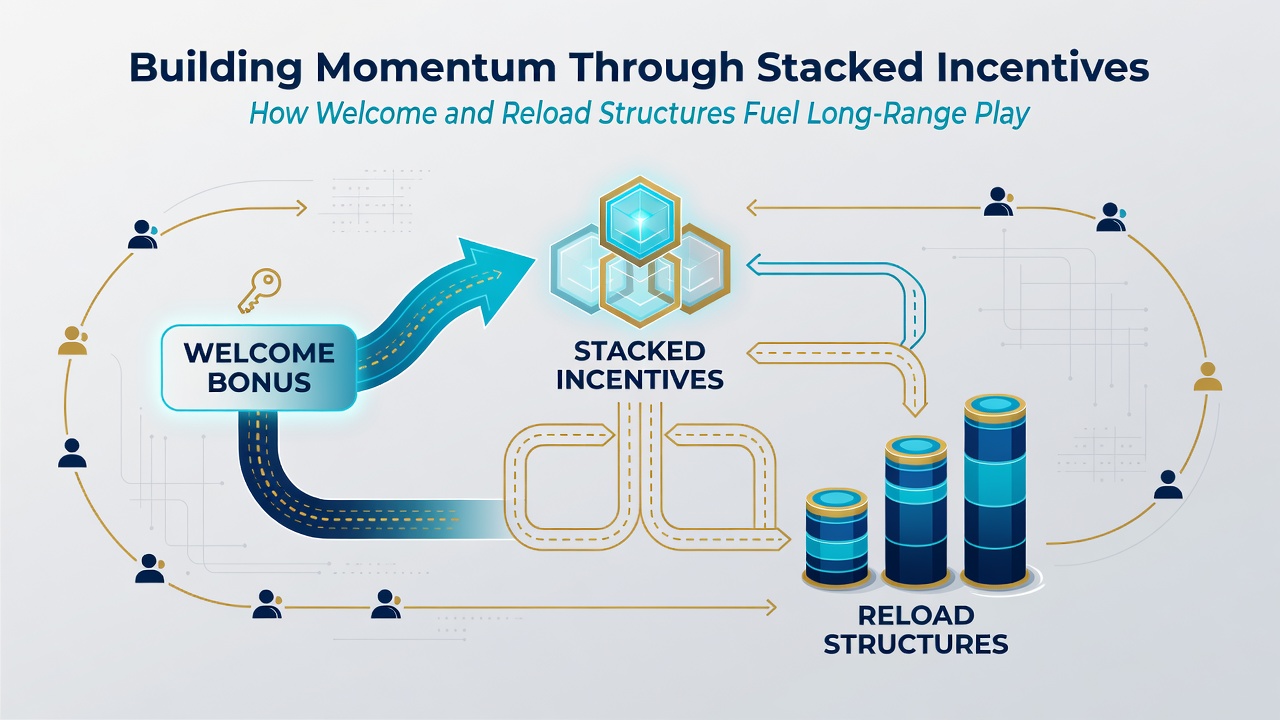
Those who track promotional calendars record each bonus release date and corresponding playthrough conditions, then allocate stakes accordingly. This approach connects the initial welcome match to later reload credits without requiring additional deposits at every step. Reports from regulatory filings in several jurisdictions show that accounts maintaining activity across three or more reload cycles generate higher cumulative handle than accounts that stop after the welcome period.
Long-Range Play Patterns and Platform Metrics
Long-range plays emerge when stacked incentives reduce the frequency of new deposits while extending the number of betting events per account. Platform analytics examined by academic researchers demonstrate that users who complete welcome requirements and continue into reload phases place wagers across a wider range of markets rather than concentrating activity in a single week. During August 2026, several operators reported that accounts enrolled in consecutive reload programs recorded elevated participation in live betting features, which operators attribute to the availability of ongoing credits.
Operators publish terms that specify minimum odds and event types eligible for bonus conversion, and these rules guide how stacked incentives translate into sustained play. Data aggregated across multiple markets reveal that clear rollover structures correlate with longer account lifespans, whereas vague conditions lead to earlier drop-off. Experts tracking these patterns note that August promotional pushes often serve as bridge periods between major summer and autumn sports calendars, allowing reload sequences to maintain momentum.
Conclusion
Stacked welcome and reload structures operate through sequenced activation that begins with an opening deposit match and continues through recurring offers tied to account activity. Evidence from regulatory filings and academic studies shows that these layers extend engagement windows when users align timing across platforms and meet stated conditions. As operators refine release schedules around seasonal events, the connection between initial incentives and ongoing reload credits continues to shape longer participation patterns observed in 2026 data.