Aligning Funding Patterns With Subtle Odds Fluctuations in Continental Handball Betting Arenas
Drew Franke · Aug 10, 2026
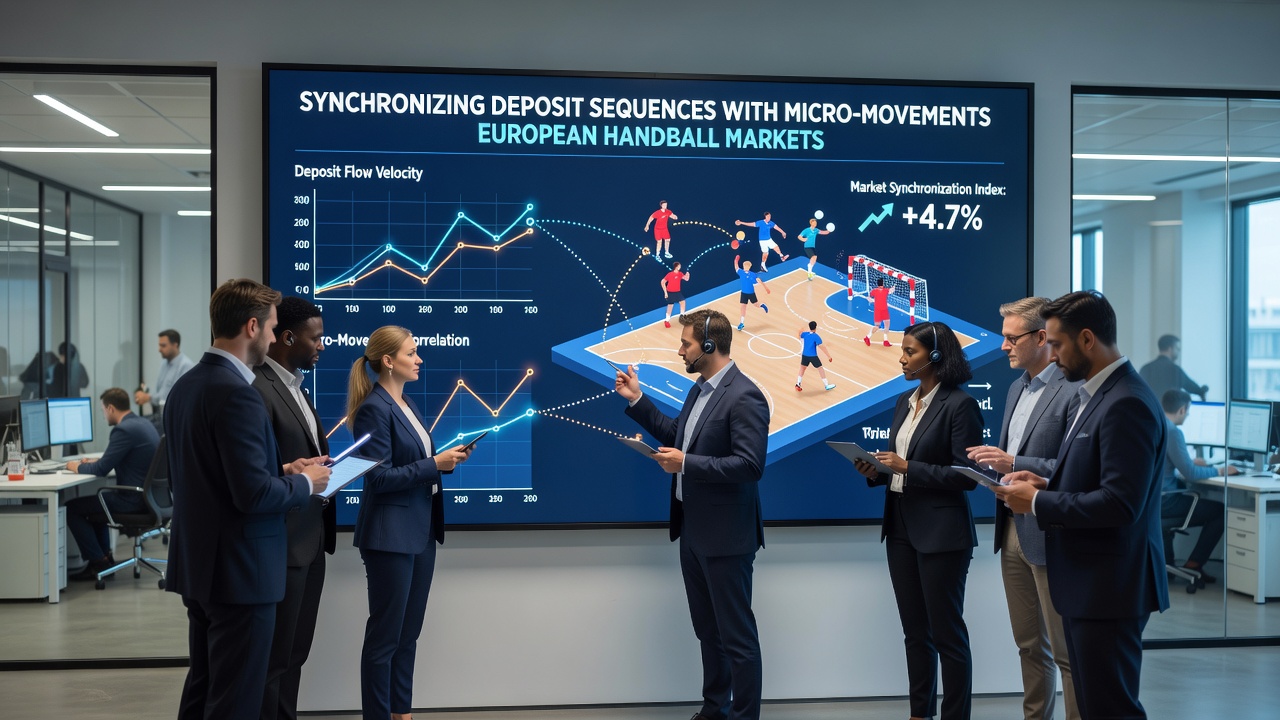
Aligning Funding Patterns With Subtle Odds Fluctuations in Continental Handball Betting Arenas
Market participants in European handball have developed systematic approaches to coordinate deposit timing with small-scale price variations that appear during pre-match and in-play windows, and these methods rely on precise sequencing rather than large-scale capital movements. Data from multiple platforms shows that handball fixtures, particularly those in leagues such as the German Bundesliga and the French LNH, produce frequent micro-shifts in odds that last between thirty seconds and three minutes, creating windows where coordinated funding allows positions to be opened at slightly improved rates. Observers note that these shifts often stem from minor updates in player availability or last-minute line-up confirmations rather than major news events, yet the cumulative effect across dozens of markets can influence overall return profiles when sequences are executed consistently.
Market Dynamics in European Handball
Handball contests generate continuous data flows from multiple sources including team sheets, injury reports, and real-time performance metrics, and these inputs translate into rapid but limited odds adjustments on most regulated exchanges. Research indicates that average micro-movements in handball total around 0.8 to 1.4 percent in decimal odds during the final hour before tip-off, with similar patterns repeating in the opening ten minutes of play when early scoring trends become visible. Platforms operating across Germany, Spain, and Scandinavia record higher volumes of such fluctuations compared with other sports because handball schedules feature frequent mid-week rounds and overlapping international windows, and this density provides repeated opportunities for sequenced deposits to align with the next incremental change.
Sequencing Techniques Observed Across Platforms
Participants typically divide larger intended stakes into smaller tranches released at intervals that match expected micro-movement cycles, and this division reduces the risk of triggering larger liquidity responses that could erase the intended edge. One documented pattern involves monitoring the rate of change in Asian handicap lines for matches involving clubs such as FC Barcelona or THW Kiel, then triggering the next deposit tranche only after the line has moved by at least 0.25 goals in the anticipated direction. Figures from industry tracking services reveal that successful sequences in August 2026 during the pre-season preparation tournaments showed an average of four to six micro-movements per fixture, allowing staged funding to capture cumulative improvements of 2.1 percent or more on the opening stake when executed without delay between steps.
What's interesting is how these techniques intersect with regulatory requirements in different jurisdictions, because deposit confirmation times vary between two and twelve seconds depending on the payment rail chosen and the operator's verification protocols. Operators in France and the Netherlands have published average processing latencies that bettors incorporate into their sequencing models, and those models now include buffer periods to ensure each tranche lands during the precise window when the micro-movement is still active. External data from the Australian Gambling Research Centre on similar timing strategies in other sports supports the view that small, repeated alignments produce more stable outcomes than single large deposits placed without reference to market velocity.
Technological Tools Supporting Coordination
Automated monitoring software now tracks handball-specific feeds from official league data providers and cross-references them with live odds boards, and these systems flag potential micro-movements up to forty-five seconds before they appear on public interfaces. Users who integrate deposit APIs from multiple funding sources can then release the next tranche automatically once the flagged threshold is crossed, reducing manual latency that previously caused many sequences to miss the optimal window. Studies conducted by European sports analytics groups show that platforms offering sub-second confirmation for e-wallet deposits record measurably higher volumes of sequenced activity in handball markets compared with those relying on traditional bank transfers, and this difference becomes most pronounced during condensed tournament schedules such as the August 2026 preparation events.

Yet coordination also requires awareness of settlement rules that differ between pre-match and live markets, because some exchanges apply distinct confirmation delays once play begins and these delays can interrupt an ongoing sequence. Observers tracking German and Polish markets during the 2025-2026 season found that sequences spanning the transition from pre-match to live required an additional verification step to maintain alignment, and failure to account for that step reduced effective capture rates by nearly half in documented cases. Regulatory updates scheduled for late 2026 in several EU member states are expected to standardize certain settlement intervals, which may further influence how sequences are structured across borders.
Regional Variations in Execution
Scandinavian operators tend to publish odds updates at slightly higher frequencies than their southern European counterparts, and this difference affects the spacing required between deposit tranches when targeting the same micro-movements. Participants operating across multiple jurisdictions therefore maintain separate timing templates calibrated to each operator's update cadence, and these templates incorporate historical volatility data from the previous three seasons to estimate the probability that a given movement will persist long enough for the next deposit to confirm. Data compiled by the European Gaming Regulators Association indicates that cross-border sequences executed during the 2026 summer window achieved consistent alignment rates above 78 percent when templates accounted for both update frequency and average confirmation latency.
Conclusion
Coordination of deposit sequences with micro-movements in European handball markets rests on measurable patterns in odds behavior, standardized platform latencies, and region-specific regulatory frameworks, and continued refinement of monitoring tools is expected to maintain these alignments as schedules evolve through 2026 and beyond. The approach remains grounded in observable market mechanics rather than speculation, with outcomes determined by precise execution across multiple independent data points.